
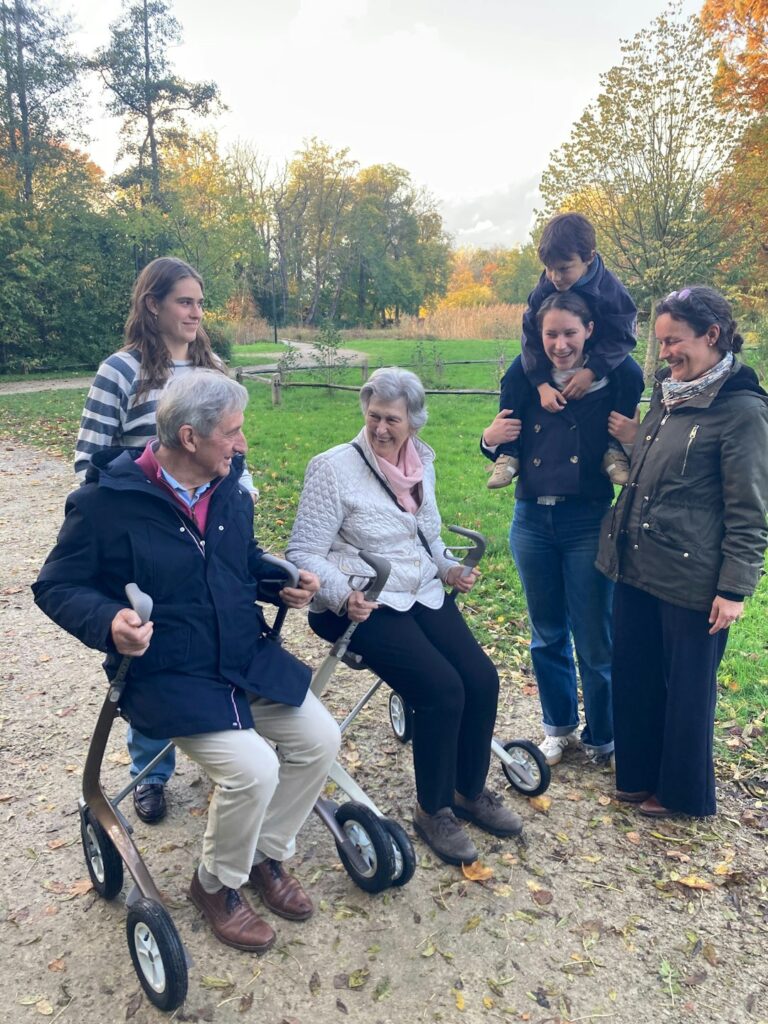
Transportation affects much more than getting from one place to another. For assisted living residents, dependable rides support medical care, family connections, shopping, religious activities, recreation, and a continued sense of independence. In Ardmore, PA, residents may have access to facility transportation, public transit, paratransit, family rides, and shared-ride programs, but each option has different requirements.
What transportation should assisted living residents expect?
Assisted living transportation commonly includes scheduled trips for medical appointments, errands, shopping, religious services, and group outings. The exact service depends on the residence, staffing, vehicle capacity, resident needs, and distance.
Transportation policies should explain:
- Which destinations are included
- How far the vehicle can travel
- How much advance notice is required
- Whether an escort is available
- Whether wheelchair-accessible transportation is provided
- Whether there are fees for personal trips
- What happens if a resident needs help entering or leaving the vehicle
- Whether transportation is available evenings and weekends
A scheduled group outing may operate differently from an individual medical appointment. A residence may have enough staff for a planned museum visit but not for several separate personal trips on the same afternoon. Asking for the written transportation policy can prevent misunderstandings.
How can residents plan a safe outing?
A successful outing begins with matching the trip to the resident’s abilities, energy level, and medical needs. The destination is only one part of the plan.
Before leaving, consider:
- Walking distance from the vehicle to the entrance
- Availability of elevators, ramps, benches, and restrooms
- Expected weather and temperature
- Time needed for meals, medications, and rest
- Whether the resident can manage uneven pavement, stairs, or crowded areas
- Whether hearing aids, glasses, mobility devices, or emergency information are needed
- Where the resident will wait if the return ride is delayed
Shorter outings are often more comfortable than long excursions with several stops. A visit to a nearby library, quiet park, community event, or family gathering may be more enjoyable than an ambitious schedule that leaves a resident tired.
In Ardmore, changing weather can affect sidewalks, curb ramps, and parking areas. Rain, winter ice, summer heat, and early darkness may make a route that is normally manageable less safe. Outings should include extra time for coats, umbrellas, mobility equipment, and careful boarding.
Is public transportation practical for assisted living residents?
Public transportation can be practical for some residents, especially those who can walk safely, follow a route, communicate with operators, and tolerate waiting. It may be less suitable for someone with significant balance problems, confusion, fatigue, or a need for hands-on assistance.
The local Regional Rail station has been rebuilt with accessibility features, including elevators, ramps, and high-level platforms. Even at an accessible station, residents should confirm that elevators are operating and that the entire route—not just the station—can be completed safely. A transportation plan should account for getting from the residence to the station, boarding, transferring if necessary, and reaching the final destination.
Accessible buses and trains do not automatically provide personal supervision. A resident who needs help with medications, toileting, navigation, or transfers may still require a family member, aide, or other approved escort.
What is paratransit, and who may use it?
Paratransit is a shared, scheduled transportation service for people whose disabilities prevent them from using regular fixed-route public transportation for some or all trips. Eligibility is based on functional ability, not simply age.
In this area, SEPTA Access is the current name for the regional ADA paratransit program. Residents generally must apply, complete the required functional assessment, and receive an eligibility determination before using the service. Applications are not designed for same-day transportation needs, so planning ahead is essential.
Eligible riders may travel with a personal care attendant under the program’s rules. Guests may be permitted, but they may have different fare requirements. Trips usually need to be reserved in advance, and pickup windows may require the rider to remain ready before the vehicle arrives.
Paratransit is not the same as a private car service. It is shared transportation, and the vehicle may pick up or drop off other passengers. A resident should allow additional time for appointments and avoid scheduling another important commitment too soon afterward.
What other transportation options may be available?
Residents may qualify for shared-ride or reduced-fare transportation programs based on age, disability, income, or medical need. Pennsylvania also provides a central application pathway for certain transportation assistance programs, although eligibility and service areas vary.
Other possibilities include:
- A family member’s scheduled ride
- Transportation arranged through the assisted living residence
- A wheelchair-accessible vehicle
- A community or county shared-ride program
- A volunteer escort approved by the residence
- A personal care attendant accompanying the resident on public transit

The most appropriate option depends on the level of assistance required. A resident who only needs a ride may use one service, while someone who needs help from the apartment door to the appointment room may require an escorted trip.
How should medical appointments be handled?
Medical transportation requires more planning than a social outing. The appointment time should account for loading, travel, check-in, paperwork, and possible delays. The resident should know whether the driver will wait during the appointment or return later.
Before scheduling, confirm:
- Who makes the transportation reservation
- Whether the vehicle can accommodate a walker or wheelchair
- Whether an escort is required
- Whether the driver can assist with transfers
- How return transportation is arranged
- Whether the appointment location is within the approved service area
- Whether the ride has a fee
Residents should also carry a medication list, emergency contact information, insurance information, and any mobility equipment needed for the trip. If a medical office changes the appointment time, transportation may need to be rescheduled separately.
What questions should families ask about outings?
Families often assume that transportation is available whenever needed, but assisted living vehicles operate within staffing and scheduling limits. Useful questions include:
- How many individual trips are available each week?
- Are group outings optional or required?
- Can residents suggest destinations?
- Are family members allowed to accompany residents?
- How are residents supported during the outing?
- What happens if a resident becomes tired or unwell?
- Are evening, weekend, and holiday trips offered?
- Is transportation included in the monthly cost or billed separately?
Pennsylvania rules require residences to address residents’ health and safety needs during activities arranged and provided by the residence. That includes following the resident’s support plan while away from the building.
How can residents remain independent while staying safe?
Independence does not always mean traveling alone. It may mean choosing the destination, deciding how often to go, carrying a personal transit card, or learning a familiar route with support.
A gradual approach can help:
1. Begin with a short trip and a trusted companion.
2. Practice boarding, navigating, and returning.
3. Identify restrooms, seating, and emergency contacts.
4. Keep the first few outings at predictable times.
5. Reassess the plan after illness, a fall, medication change, or decline in memory.
Transportation works best when it is treated as part of the resident’s overall support plan rather than an afterthought. A clear schedule, realistic destination, accessible vehicle, and backup plan can make community outings safer and more enjoyable.
