
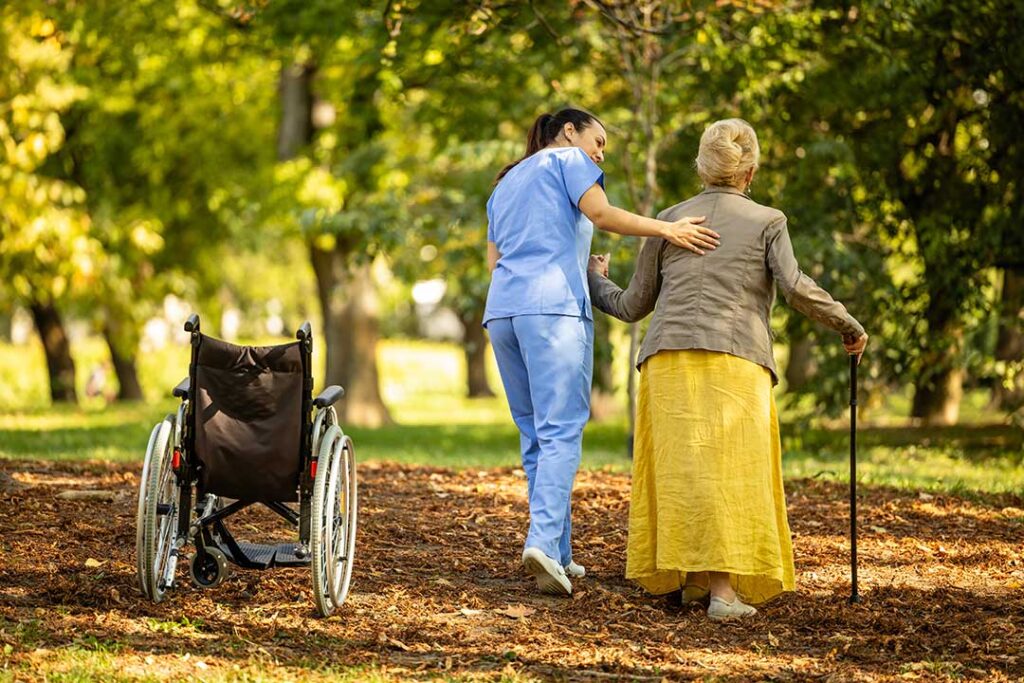
Why Do Residents in Assisted Living Sometimes Feel Lonely?
Even in a supportive community, feelings of loneliness can affect residents due to changes in daily life, family dynamics, and health. Adjusting to communal living may mean less frequent visits from familiar faces or adapting to new routines.
Loneliness can arise for a number of reasons:
- Moving away from long-time homes and neighborhoods
- Losing regular daily contact with friends or family
- Feeling a lack of meaningful conversation or shared interests
- Health changes that reduce mobility or confidence
Recognizing these sources early is key. While feeling lonely is common, it's not inevitable. Approaches specific to local rhythms and lifestyles can help residents feel more at home and connected.
How Can Residents Find Community Connections?
Finding connection within assisted living often begins by seeking out familiar comforts and shared experiences.
Participate in activities that match individual interests, whether that's a favorite hobby, a new class, or a discussion group. Most communities arrange a variety of on-site programs, from art to music to volunteer projects, especially suited to the interests of local residents.
For those who prefer quieter or smaller social settings, informal gatherings over coffee or in a garden can be just as meaningful as organized group events. Neighbors frequently bond over gardening, walking, or shared mealtimes—especially during the milder spring and fall weather typical of the area.
Residents should consider:
- Attending events at their own pace, even if only for a short time at first
- Initiating a regular routine, such as a weekly card game or puzzle club
- Asking staff about groups aligned with personal interests
Success often comes from small, consistent efforts rather than sudden large changes.
Are There Ways to Stay Connected with Family and Old Friends?
Staying in touch with loved ones outside the community remains vital for emotional balance.
Most residents now have access to devices that support video calls or messaging. Family in the region might schedule regular visits or bring familiar items from home to keep connections strong, especially during holidays or family milestones. Those unable to visit in person may send letters, photos, or recordings, which can be just as cherished.
Practical options that work well locally include:
- Phone or video chats scheduled each week, even if brief
- Sending and receiving cards or local news articles
- Sharing updates on community events with old friends
- Participating in family traditions remotely, such as holiday celebrations or group prayers
Strong relationships with loved ones outside the immediate community help reinforce a sense of identity and belonging.
What Role Do Seasons and Weather Play in Loneliness?
Seasons impact mood and opportunities for interaction, particularly in climates with cold winters and varying daylight.
Winter’s shorter days may sometimes make indoor spaces feel isolating, especially for those used to lively outdoor routines. Planning for seasonal changes helps maintain social engagement all year. Cozy indoor gatherings, movie nights, or themed activities often offset the reduced outdoor time.
In spring and summer, the city’s garden spaces, patios, and walking paths provide inviting settings to meet others, care for plants, or enjoy fresh air. Residents who flourish with activity may find these opportunities especially valuable.
Simple strategies include:
- Planning indoor visits during colder months, perhaps with a favorite warm beverage
- Sitting outdoors with neighbors during warm weather
- Joining or starting seasonal clubs—for example, a springtime gardening group
Awareness of seasonal mood shifts can guide residents to adjust routines for greater comfort and connection.
What Are Common Myths About Loneliness in Assisted Living?
Assumptions about loneliness may prevent residents from seeking solutions or support.
Some widely held myths include:
- "Everyone here feels alone sometimes"—In reality, experiences vary widely. Many residents form meaningful new bonds.
- "Social activity has to be large or structured"—Informal chats or shared hobbies can be just as fulfilling as group events.
- "Being around others is enough"—Quality of interaction matters more than quantity. Shared laughter or meaningful conversation often have the deepest impact.
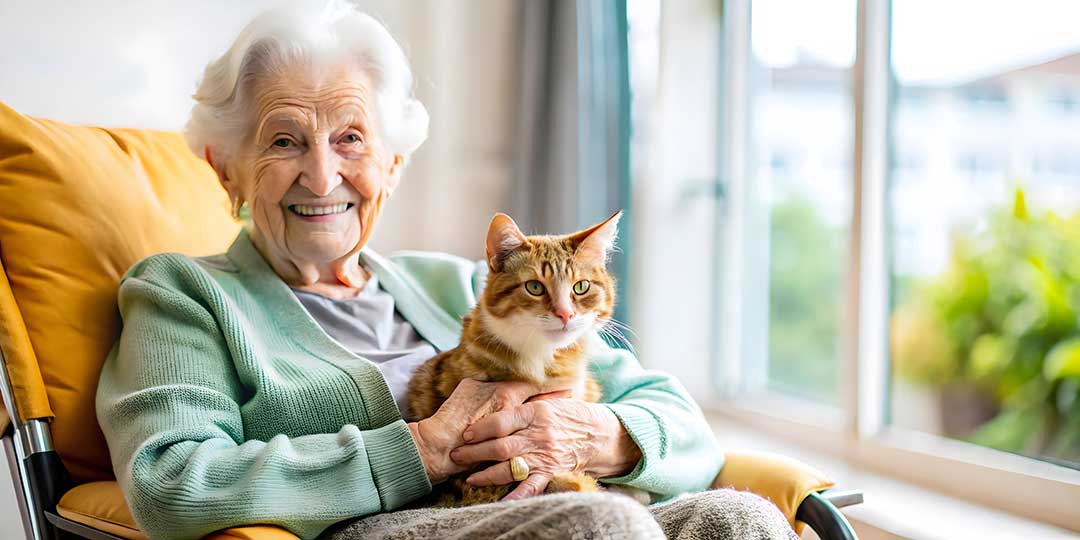
Recognizing that loneliness is not a personal failing, and that proactive steps are encouraged, can reduce stigma and open doors to support.
What Practical Strategies Encourage Emotional Well-Being?
Supporting a positive outlook involves a combination of self-awareness and gentle persistence.
Residents may find these practices helpful:
- Maintain a daily routine with time for conversation or shared activities
- Express personal interests or needs to staff or other residents—sometimes others share similar feelings but wait for someone to speak first
- Try new hobbies or revisit old ones; creative outlets often foster both personal satisfaction and social interaction
- Take advantage of community resources such as book or movie lending programs, or sign up for a class aligned with personal passions
For those with ongoing or worsening feelings of isolation, speaking with a trusted professional—such as an on-site counselor—can provide support and practical ideas. Staff are trained to listen and often have insights or suggestions tailored to the specific culture of the community.
What Role Do Shared Spaces and Common Areas Play?
Common rooms, gardens, and activity centers within local assisted living settings are designed to foster connection.
Residents often report that shared meals, group exercise, or just relaxing in a sunroom help nurture casual friendships without pressure. The architectural layout in the city’s communities typically provides a balanced mix of quiet nooks and welcoming group areas, respecting both privacy and the need for interaction.
Ways to use these areas effectively include:
- Attending group meals, even occasionally, to meet new faces
- Stopping by community rooms when venturing out, even if only for a few minutes
- Bringing a personal project—a crossword, knitting, or a sketchbook—to common areas to invite conversation
These environments serve as natural gathering points, reducing the effort needed to make connections.
How Can Residents Support One Another?
Often, the most meaningful support comes from fellow residents who understand shared experiences.
Kind gestures—such as inviting a neighbor to join a walk, listening to a story, or checking in after an absence—build a foundation of mutual care. Many residents find purpose and renewed connection by helping organize activities or simply offering a friendly hello.
For those hesitant to reach out, consider:
- Joining small resident-led groups or interest circles
- Volunteering for low-key community roles
- Taking the first step with a simple greeting or question
Within the local assisted living community, mutual support is often the first step toward feeling less alone.
