

Why Participate in Assisted Living Events as a Family Member?
Attending community events with a loved one in assisted living helps bridge the gap between home life and life in a care setting. Families who engage regularly are more likely to notice changes in their relative’s wellbeing, support their social connections, and strengthen relationships within the local community. Participation also shows residents they are valued and remembered, which can boost mood and confidence.
Beyond emotional support, involvement provides practical insights into how care teams operate and what daily life looks like in the community. Local families often see community events as a natural extension of their own routines, especially in neighborhoods where supportive caregiving is a shared norm rather than an exception.
How Can Family Members Find Out About Assisted Living Events?
Most households learn about events through direct communication from care teams or newsletters. In Ardmore, calendars are often distributed by mail, email, or posted on community boards within the building. Some communities host seasonal planning meetings for residents and families, which can include updates on upcoming programs.
For those who live outside of the immediate neighborhood, staying connected through a designated family contact, group messages, or secure online portals can close the information gap. If event details seem unclear, it’s reasonable to politely ask staff for clarification or ask how event feedback is gathered from attendees.
What Kinds of Events Are Open to Families in Assisted Living Communities?
Family-inclusive events vary widely. In Ardmore, these commonly include:
- Holiday meals with traditional or local foods
- Live music afternoons featuring regional musicians
- Art or craft sessions during which family members can assist or participate
- Seasonal gardening or outdoor activities in shared courtyards
- Pet visits or intergenerational gatherings involving children from the neighborhood
While most social events are designed for interaction across age groups, some activities may be tailored for specific physical abilities or care needs. Checking the activity calendar can help family members plan attendance around events that fit their relative’s interests and participation level.
What Should Families Expect During a Visit to an Event?
Visiting an event in a residential community feels different from a typical family gathering at home. Safety measures, privacy rules, and a structured schedule are typical—especially for larger gatherings. Families are usually welcomed to join tables, participate in activities, and converse with both residents and staff in communal spaces.
Some practical considerations:
- Arrive close to the event start time, as some spaces may be limited
- Expect to follow visitor sign-in or health screening routines
- Respect boundaries for residents who prefer quieter activities or need more support
- Understand that events may end promptly to allow for transitions to meals or personal care
Many Ardmore families discover mutual support at these events—sharing stories, advice, or simply enjoying a familiar face among other visitors.
How Can Family Members Help Loved Ones Enjoy Events?
Supporting a loved one during community gatherings starts with small, thoughtful actions. Residents may feel self-conscious or unsure how to participate; familiar faces can be a comforting anchor.
Ways to make events more enjoyable include:
- Offering to guide a resident to the event space and introduce them to others
- Being patient with noise or crowd levels if these cause sensory discomfort
- Reminding a loved one of familiar community members or previous enjoyable events
- Choosing quieter side tables if large group interactions feel overwhelming
- Bringing small items tied to seasonal or family traditions, when allowed
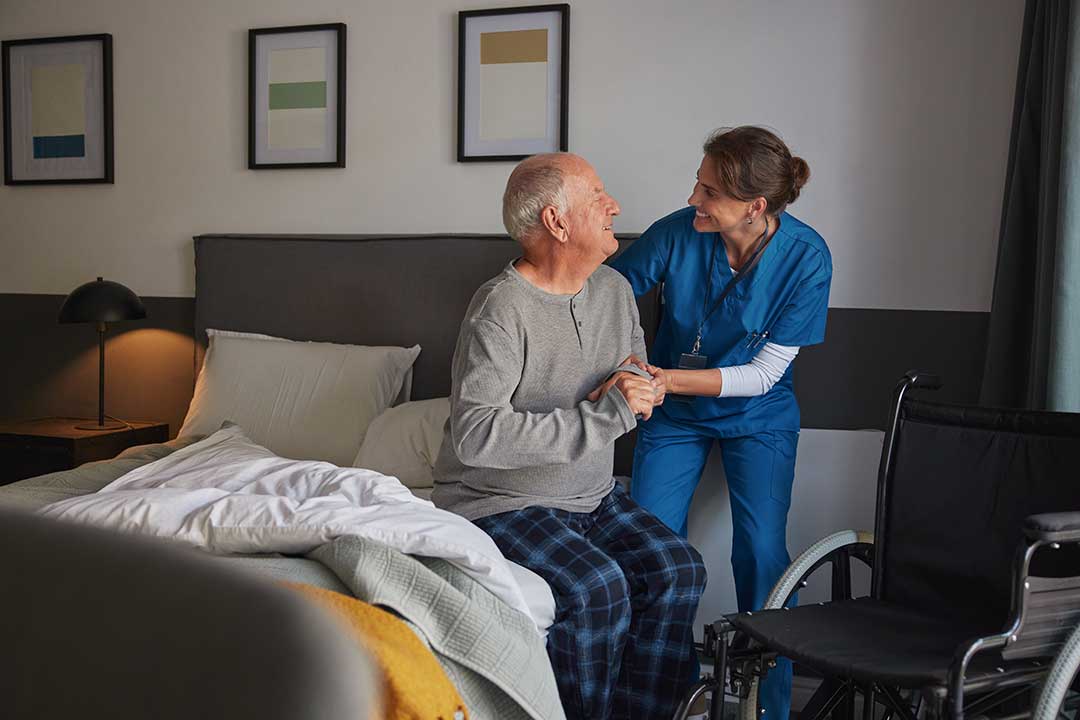
Clear communication with care staff can also help family members understand how much participation is appropriate for their relative’s health or mood on a given day.
Are There Rules or Etiquette for Family Participation?
Respecting community guidelines ensures safety and comfort for all. Most expectations are rooted in common courtesy:
- Avoid bringing outside food or items without first checking with staff
- Honor privacy—do not photograph other residents without permission
- Participate according to the resident’s preferences, not just your own
- Offer support if needed, but let the resident decide how involved to be
- Encourage inclusion if someone seems left out, without pressuring participation
Families in Ardmore often share practical tips for juggling visits with other responsibilities: bringing along younger family members for intergenerational inclusion or rotating attendance among siblings can spread out participation and reduce stress.
What Are Common Misconceptions About Family Involvement?
Some believe attending events is only meaningful for major holidays, but regular presence—at everyday activities—has a larger impact on wellbeing. Others may worry about “getting in the way” of staff, but care teams generally welcome positive family involvement, especially when it is respectful and collaborative.
Another common misconception is that all events are the same. In reality, each gathering offers a unique opportunity to connect, observe, and respond to a loved one’s changing needs.
Can Participation Support Residents’ Independence or Health?
Family engagement has practical benefits beyond social connection. Regular participation may help residents stay motivated to try new activities, maintain social ties, and share concerns. It also helps family members notice subtle changes in mood, health, or mobility that might need follow-up with care staff.
In Ardmore, where many residents transition from independent homes, these strong, ongoing connections foster a sense of continuity between personal traditions and community life—often resulting in higher satisfaction and more meaningful daily experiences.
