
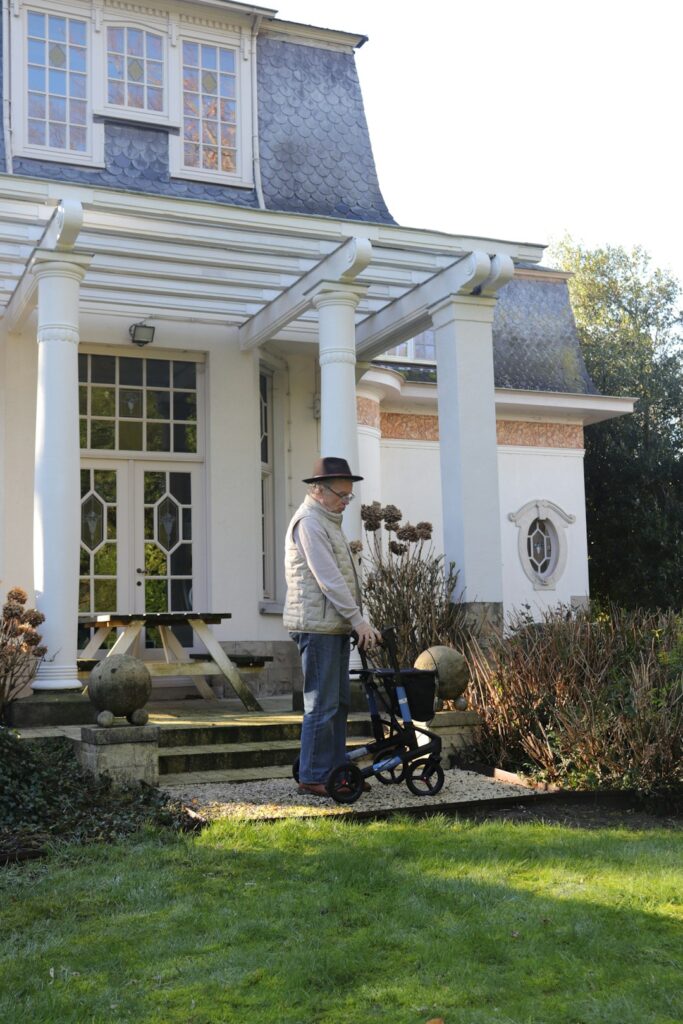
Falls are not an unavoidable part of aging. In assisted living, many falls can be reduced by combining safer surroundings, appropriate mobility support, medication review, regular movement, and prompt attention to changes in balance or strength.
Why do falls happen in assisted living?
Falls usually result from more than one factor. A person may have reduced leg strength, impaired vision, dizziness from medication, an uneven walking surface, or difficulty moving from a bed to a chair. Fatigue, dehydration, illness, and rushing to the bathroom can add to the risk.
A previous fall is also a warning sign. Even a slip that does not cause an injury may reveal a problem with footwear, lighting, balance, or the layout of a room.
Common risk factors include:
- Weakness in the legs or core
- Trouble with balance or coordination
- Vision changes
- Foot pain or numbness
- Arthritis or joint stiffness
- Dizziness when standing
- Medication side effects
- Clutter, loose rugs, or poor lighting
- Walking in socks or smooth-soled slippers
- Trying to carry too much while using a walker or cane
The goal is not to restrict activity. Safe fall prevention should help residents remain mobile and independent while reducing avoidable hazards.
What changes inside an assisted living apartment can reduce falls?
Clear walking paths and good lighting are among the most effective environmental safeguards. Furniture should be arranged so residents do not need to turn sharply or squeeze between tables, chairs, and beds.
Helpful adjustments include:
- Remove loose throw rugs or secure them with appropriate backing.
- Keep cords away from walking areas.
- Place commonly used items within easy reach.
- Use night-lights between the bed and bathroom.
- Keep floors dry and address spills promptly.
- Make sure chairs and beds are stable and easy to get in and out of.
- Use grab bars or other properly installed supports where needed.
- Keep a phone, alert device, or call system accessible from the bed and bathroom.
Bathrooms deserve particular attention because wet floors, low toilets, and turning in a small space can create several risks at once. Non-slip surfaces, adequate lighting, stable grab bars, and a clear route to the toilet can help.
A walker or cane should never be used as a place to hang bags, clothing, or heavy objects. Carrying items this way can affect balance and interfere with safe movement.
How do medications affect fall risk?
Some medications can cause drowsiness, blurred vision, slower reactions, low blood pressure, or dizziness. These effects may be more noticeable when a prescription is first started, the dose changes, or several medicines are taken together.
Medications that may contribute to falls can include certain sleep aids, anxiety medicines, blood pressure drugs, pain medicines, and drugs with sedating effects. This does not mean a resident should stop taking a medication independently.
A medication review should be considered after:
- A new fall or near-fall
- Repeated dizziness
- Unusual sleepiness or confusion
- Feeling faint after standing
- A change in walking ability
- A new prescription or dosage adjustment
The medication list should include prescriptions, over-the-counter products, vitamins, and supplements. Timing can also matter. If dizziness occurs after a particular dose, that pattern should be documented and discussed with the appropriate healthcare professional.
Why are strength, balance, and movement important?
Regular movement can help preserve strength, coordination, flexibility, and confidence. Residents do not need strenuous exercise to benefit. Safe activities may include supervised walking, chair exercises, gentle leg strengthening, or balance practice suited to the person’s abilities.
A useful routine may include:
- Standing from a sturdy chair and sitting down safely
- Marching while holding a stable support
- Ankle movements and gentle leg stretches
- Short walks with the prescribed mobility aid
- Exercises recommended by a physical therapist or healthcare professional
Exercise should match the resident’s health status. Someone with new weakness, chest pain, severe shortness of breath, fainting, or a sudden change in coordination should not begin a new exercise routine without medical guidance.
Fear of falling can lead to less activity, which may cause further weakness. Encouragement, pacing, and supervision can help residents stay active without treating every movement as dangerous.
What footwear is safest?
Supportive footwear should fit securely and have soles that provide traction. Shoes should not slide at the heel, pinch the toes, or require complicated fastening.
Safer choices generally include:
- Closed-back shoes
- A secure fit around the foot
- Low, stable heels
- Non-slip soles
- Adequate room for swelling or foot problems

Loose slippers, smooth socks, and walking barefoot can increase risk, especially on polished flooring. Footwear should also be checked for worn soles or damaged fasteners.
How should seasonal conditions be handled in Ardmore?
In Ardmore, winter weather can create changing conditions around entrances, sidewalks, driveways, and transportation areas. Snow may melt during the day and refreeze at night, leaving thin patches of ice that are difficult to see. Wet leaves in autumn and rain tracked indoors can also make floors slippery.
Before going outside, residents and caregivers should consider:
- Whether walkways are cleared and well lit
- Whether ice or melting snow is present near entrances
- Whether footwear provides adequate traction
- Whether a cane or walker is appropriate for the surface
- Whether carrying packages or bags can wait
- Whether weather-related fatigue or cold is affecting balance
A resident should not feel pressured to walk across an uncertain surface. Waiting for a safer route, using available assistance, or postponing a nonessential trip may prevent an injury.
What should happen after a fall or near-fall?
Every fall should be taken seriously, even if there is no obvious injury. A resident may have a fracture, head injury, or medication-related problem without immediate severe pain.
After a fall, avoid pulling the person up quickly. Check for severe pain, bleeding, confusion, loss of consciousness, difficulty breathing, or inability to move normally. Emergency help may be needed for those symptoms, for a suspected head or hip injury, or when the person cannot safely get up.
A healthcare professional should be informed about the event. Details are useful, including:
- Where and when the fall occurred
- What the resident was doing
- Whether dizziness or loss of balance came first
- Whether the head was struck
- What footwear and mobility aid were being used
- Any new medication, illness, or change in behavior
Near-falls also deserve attention. Catching oneself on a counter or chair may indicate that balance or the environment needs to be reassessed.
How can residents and families prepare before a problem occurs?
Fall prevention works best as an ongoing review rather than a one-time checklist. Residents and families can observe how the person moves during ordinary routines: getting out of bed, turning, bathing, reaching for clothing, and walking when tired.
A practical safety discussion can ask:
- Is the resident rushing to the bathroom?
- Does standing cause lightheadedness?
- Has the walker been adjusted correctly?
- Are glasses current and being worn when needed?
- Have there been recent changes in strength, memory, or alertness?
- Are staff aware of new unsteadiness or repeated near-falls?
Promptly reporting these changes allows the care plan, room setup, mobility support, and daily routine to be reconsidered. Fall prevention is most effective when it protects movement rather than replacing it.
